Table of Content
Organic vegetables are often grown using natural fertilizers and pesticides. Consequently, they rot faster compared to inorganic vegetables. Reduce weeds by spreading a 1- to 2-inch-thick layer of mulch on the soil. It creates a barrier that prevents weeds from getting sunlight and from germinating.
Mulch lightly around seedlings, and then cover as they grow. Garrett recommends shredded tree trimmings because they stay in place and feed the soil without robbing it of nitrogen the way mulches made from ground-up lumber do. Concentrating your attention on the current chores and intricacies of gardening might help you feel better in the moment by reducing negative thoughts and feelings.
Beneficial Insects in the Garden
Organic farming, as a long-term practice, also helps to mitigate the effects of global warming. Growing your own organic vegetables and herbs may seem like a lot of work, but it’s really not that difficult. Here are some simple steps you can take to grow your own organic garden at home and help ensure that the food in your family’s garden is free of harmful chemicals and pesticides. Work in partnership with nature to nurture your soil for healthy plants and bumper crops - without back-breaking effort! Transform a weedy plot into a thriving vegetable garden by following simple steps achieved in a few hours and with plants in the ground from day one. In its simplest form, organic gardening means gardening without man-made chemicals.
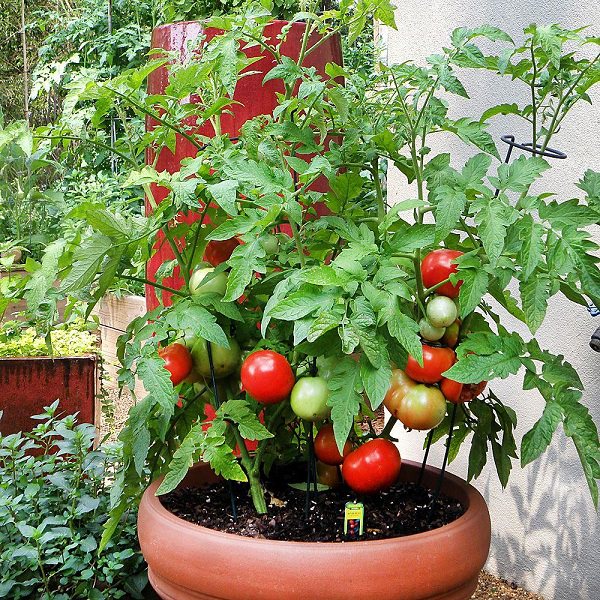
Once they arrive, they’ll gladly eat the slugs, mites and aphids that munch on your plants. Other flowers that will also attract them include marigolds and coneflowers and herbs like cilantro, chamomile and dill. Inspect your organic garden on a regular basis to prevent any kind of pest or disease at the very moment. You can also install barriers or cages around the ripening crops. For a healthy lifestyle, the most important point is what you eat. Organic homegrown food is an excellent choice for a healthy lifestyle because you have complete knowledge about its purity.
Step 2: Select fertile soil
Many insects spread diseases as they feed and move from one plant to the next. The most organic way to control insects in your garden is to pick them off by hand. When shopping for seedlings, extension service experts recommend choosing plants that have a healthy color for the species with no yellow leaves. When you're shopping for transplants, gently tap the plant out of the pot to make sure the roots are well-developed and white. Avoid plants that are already budding or have flowers.

Even a minimally tended pile will still yield decent results. It is possible to hire someone to install and maintain a beautiful organic garden for you, but most of us can roll up our sleeves with a surprisingly low amount of effort. Remember, you can start small, even with just a single plant or two. Prepare homemade compost, live mold, and rotted manure. The substances will release nutrients slowly to the soil and stimulate the growth of essential microorganisms. You can grow green manures, mycorrhizal fungi, and supply natural liquid to improve soil texture.
Feeding Your Garden the Best Fertilizers
All you have to do is follow the right steps for planting an organic vegetable garden. Because many closely related plants are affected by the same diseases, avoid planting them where their relatives grew the year or two before. Two of the biggest families to watch out for are the tomato family and the squash family . Rotating crops to different parts of the garden helps limit disease development and depleting the soil of nutrients. Think about what you like to eat and how often you want to eat it. Plants like tomatoes, peppers, and squash will keep producing all year long, while vegetables like carrots and corn will only produce once.

Not only are they easy to grow, but they are tasty and repel many known pests, including insects, rabbits, and deer. There are a variety of herbs you can choose from, including rosemary, oregano, and mint. Pruning is essential for starting an organic garden, but you can’t go crazy with the shears either. Primarily focus your attention on old or dead blooms.
How to store organic vegetables
Organic gardeners have mastered alternative, green techniques to fight off the annoying infestations that are drawn to growing fruit and vegetable gardens. Companion planting is one great way to keep bugs and pests away and there are a number of homemade or available for purchase all-natural chemical-free insecticides available. Some are as simple as soapy water to control aphids, mites, beetles and other hungry critters. An increase in added organic matter to soil when preparing it for planting also reduces soil erosion over time. Benefits of organic gardening are widespread and go much further than just the yield from a season’s crop.

Worm castings slowly release their nutrients back into the soil. And while doing so, help to build great soil structure in the process. Instead of tilling and re-tilling your garden and rows throughout the season, a layer of natural mulch can be used to control weeds and conserve moisture in the soil. Buying organic vegetables in bulk might be a loss in the long run. Moreover, ensure that the organic vegetables meet all the guidelines as directed by the USDA. They are not organic if the seedling was the first to be frowned upon by synthetic fertilizers.
First, ensure you select a suitable location where you can start your organic garden. Typically, the organic garden location should be in an area that receives a minimum of 6 to 8 hours of sunlight. All you have to do is follow all the proper steps involved. Let’s look at a detailed procedure of how to start an organic garden. Here is a look at the 5 key elements to growing organically.
If you are also opting for this eco-friendly process to get homegrown fruits and vegetables then this article is for you. Here, you will get to know how to grow an organic food garden at home. I especially liked the section where you spoke about using organic pesticides. Do you know of other organic pesticides besides the ones you have already mentioned? No matter how much you wash your fruits and vegetables, you can’t wash off all the chemicals.




No comments:
Post a Comment